
Therapeutic
Approaches
The right therapy isn't about choosing the "best" modality. It's about finding the approach that helps you feel understood, supported, and able to create meaningful change.
Every person arrives with
a different story.
Some are navigating the effects of trauma, others are working through relationship challenges, exploring sexuality, healing from anxiety or depression, or simply trying to understand themselves more deeply.
Rather than relying on a single method, I thoughtfully integrate evidence-based approaches based on your unique needs, goals, and nervous system. Together, we'll discover what supports your healing—not just symptom relief, but deeper connection with yourself and the people you care about.
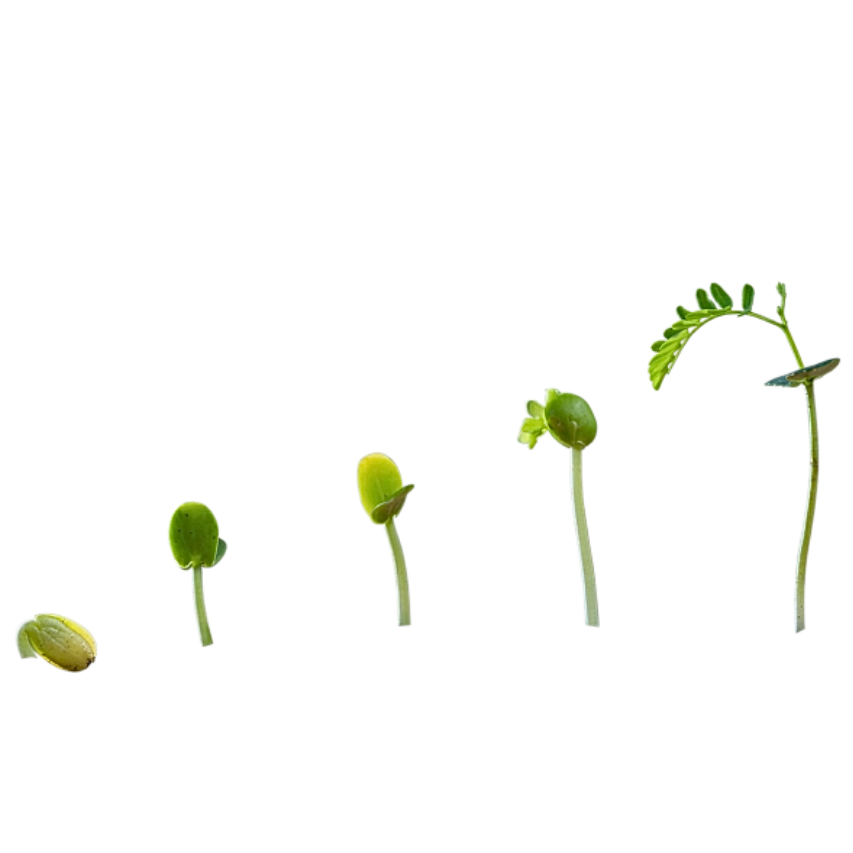
Healing isn't one-size-fits-all.
Here are the primary therapeutic approaches I use in my practice. Each offers a different pathway to healing, and we'll use the ones that best support your unique goals and experiences.

Eye Movement Desensitization and Reprocessing (EMDR) Therapy
A structured, evidence-based therapy that uses bilateral stimulation (ex. eye movements) to help people process and heal from trauma and distressing experiences.
Psychedelic-Assisted Psychotherapy (KAP)
A therapeutic approach that uses psychedelic medicines alongside psychotherapy to support healing from trauma, depression, anxiety, relationship concerns, and other mental health considerations.
Polyvagal Theory & Somatic Therapy
Polyvagal Theory explains how the nervous system responds to safety and threat; Somatic Therapy integrates this by helping clients notice and regulate body-based responses to stress and trauma.
Gottman Institute Couples Therapy
A research-based approach to couples therapy that focuses on strengthening relationship skills such as communication, conflict resolution, and emotional connection.
Wheel of Consent - Betty Martin
A framework that helps individuals clarify touch, boundaries, and desire in relational and sexual contexts by distinguishing between giving, receiving, taking, and allowing all of which promotes mutual and conscious consent.
Therapy is more than
the approach.

The methods I use are only one part of the healing process. Equally important is understanding what you're navigating and how therapy can support you. Explore the areas I specialize in to learn more about the concerns I work with, the clients I serve, and how these approaches come together in practice.

Starting therapy begins with a conversation
1
Share Your Story
We explore what’s bringing you to therapy and what feels most important for you right now.
2
Define Your Vision
Clarify your goals, hopes, and the changes you want to experience in your life and relationships.
3
Discover the Possibilities
Explore how therapy can support your growth, ask questions, and learn more about my approaches to healing.
4
Begin the Journey
If it feels like the right fit, we’ll discuss next steps and co-create a thoughtful plan tailored to your needs and desires.